Quality New Roof Installation
Learn about crucial roofing maintenance to protect your property and longevity.
The importance of keeping up a sturdy and reliable roof is undeniable. Many homeowners neglect necessary roof care until significant problems arise. Routine checks often reveal hidden issues, while knowledge of common repairs can avoid expensive deterioration. Knowing about roofing components and the function of drainage systems also contributes significantly in roof longevity. As homeowners deal with these factors, selecting a qualified roofer is equally essential. What steps can they take to secure their investment?
Importance of Regular Roof Inspections
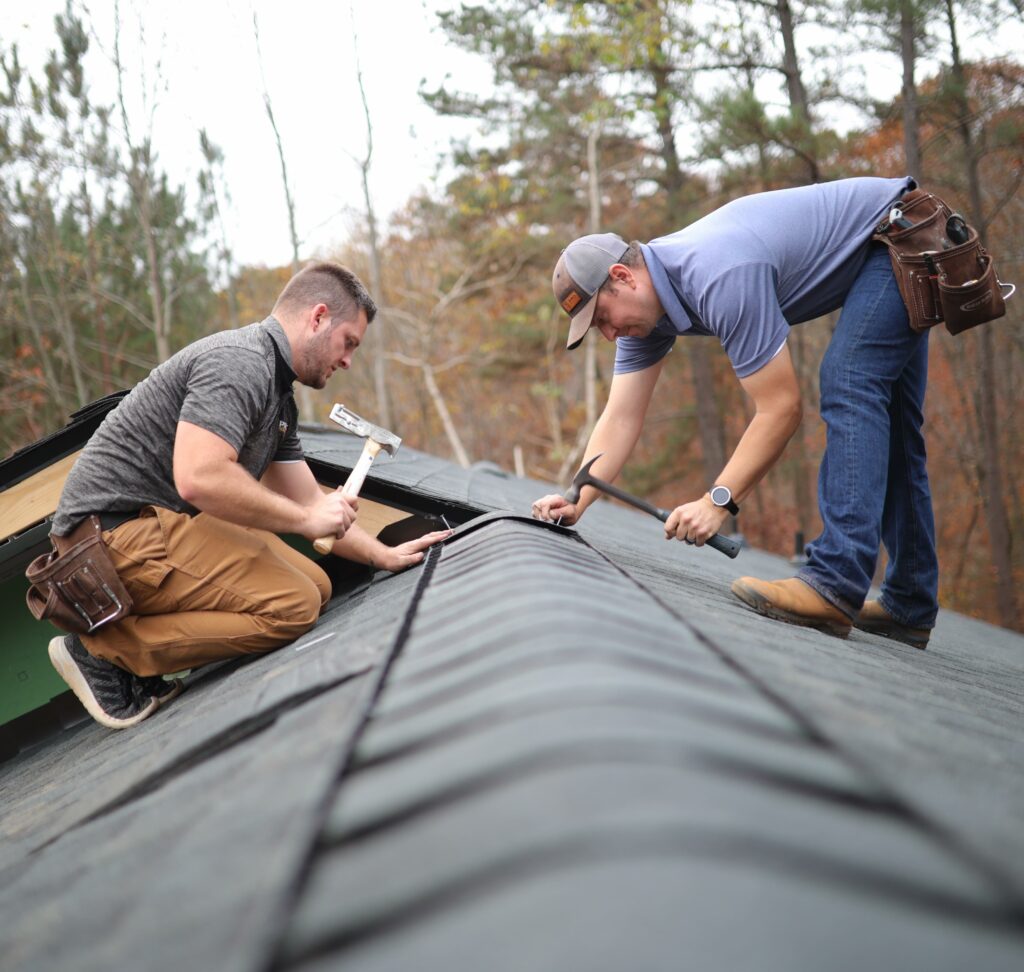
Even though many property owners neglect this, the value of periodic roof assessments is undeniable. Routine checks are crucial for preserving the soundness of a home. Roofs naturally degrade over time due to different external elements, including the elements, buildup of material, and aging materials. Periodic assessments uncover potential issues before they become serious damage, such as leaks or structural damage. Moreover, timely roof upkeep can increase the longevity of the roofing system, saving homeowners substantial repair costs in the long run. Checks are best performed yearly or more read here often or after extreme climate exposure. Using qualified roofers ensures a complete evaluation, as skilled professionals notice early signs of deterioration that an untrained eye might miss. Finally, making regular inspections a priority ensures a protected living space, safeguarding both the structure and its occupants.
Common Roofing Repairs and Their Benefits
Regular roof inspections not only help identify potential issues but also make essential fixes possible when problems are detected. Standard maintenance covers sealing water intrusion, replacing damaged shingles, and removing blockage from drainage. Addressing leaks promptly can avoid liquid harm and fungal development, protecting the house's integrity and inner rooms. Replacing damaged shingles enhances the roof’s integrity and improves curb appeal, guaranteeing long-term durability. In addition, cleaning gutters stops water accumulation, that might result in costly damage and issues with the home's base.
Such maintenance significantly helps to making the roof last longer and keeping the home energy efficient. Homeowners who invest in routine maintenance and timely repairs can prevent larger, more expensive replacements in the future. In the end, resolving standard roof concerns ensures the residence is safe but also provides peace of mind for homeowners, sure that their investment is safe from the weather.
Steps for Replacing a Roof
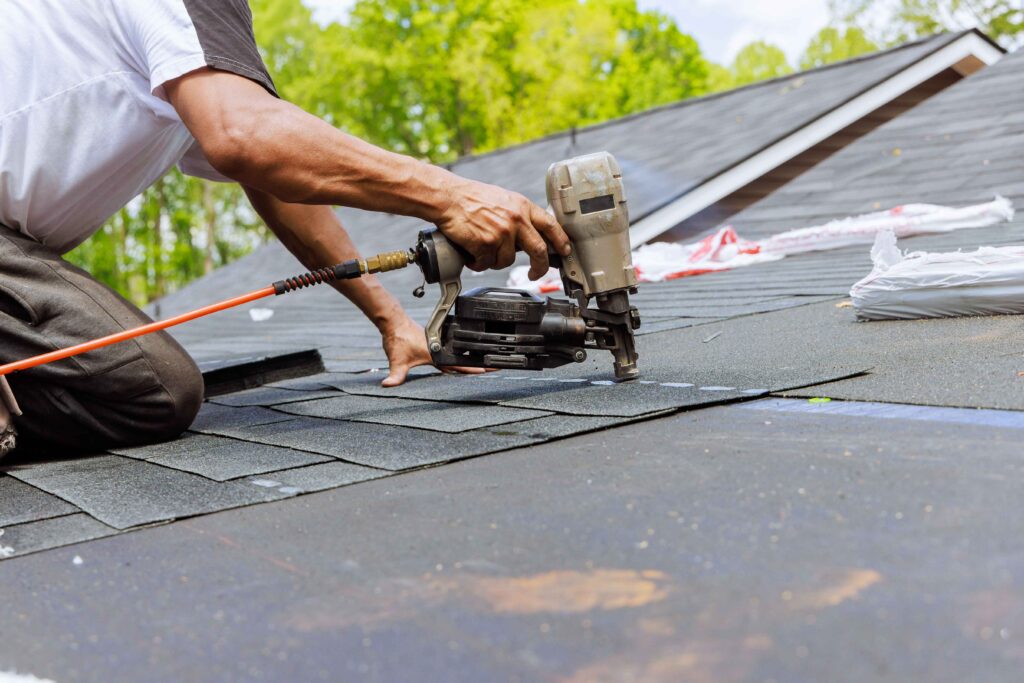
Replacing a roof includes several vital stages to secure a resilient and successful fitting. To start, the existing roof undergoes a detailed examination to assess its condition and determine the necessary repairs or replacements. Once the assessment is complete, the owner should hire a certified roofing professional that can offer a suitable strategy and timeline for the project.
Next, the old roofing components are taken off, which may include shingles, underlayment, and flashing. This stage is crucial for finding hidden issues to the roof deck. Once the stripping is done, necessary repairs are made to the decking, ensuring a solid foundation for the replacement roof.
Once the deck is secure, new roofing components are installed, followed by the installation of proper flashing and ventilation systems. Finally, a comprehensive clearing is executed, ensuring the area is immaculate and ensuring the new roof offers long-lasting protection.
Knowing Roofing Materials and How Long They Last
Knowing about roofing components is vital for those seeking to make educated choices about their roofing needs. All roofing material varieties comes with its own lifespan and maintenance requirements, impacting long-term costs and resilience. By looking at typical materials, their expected lifespan, and the necessary upkeep, people can more effectively prepare for their roof requirements.
Common Roofing Material Types
Numerous roofing material types are available, all providing distinct advantages and different longevities. Asphalt roofing materials are popular because they are inexpensive and simple installation process, making them a common choice for private residences. Metal roofing, known for its durability and low maintenance, is available in many designs, including standing seam and corrugated sheets. Roofing tiles, usually composed of clay or concrete material, provides a distinctive aesthetic and can withstand harsh weather conditions. Roofing made of slate, though it costs more, is prized for how long it lasts and attractive appearance. Lastly, artificial materials, like rubber or plastic, offer eco-friendly options with the look of traditional materials. Every type meets particular requirements, making sure property owners pick the best fit for their property.
Lifespan of Roofing Options
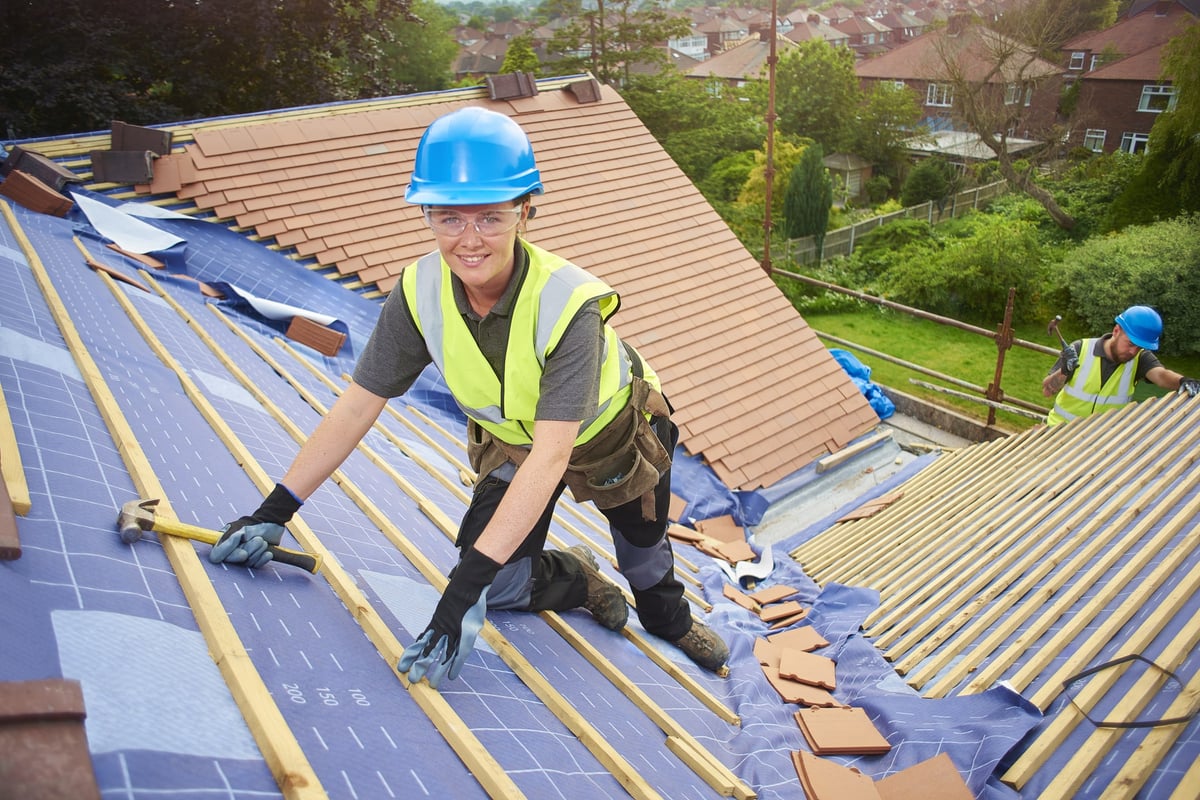
When picking roofing options means taking into account their appearance and cost but also how long they will last. Various roofing choices have different durations, influencing the property owner's financial commitment over time. Shingles made of asphalt generally last for about 15 to 30 years, depending on quality and installation. Roofing made of metal, known for its durability, can last between 40 and 70 years when installed properly. Clay and cement tiles offer great durability, sometimes enduring for 50+ years. Wooden shingles, though they look attractive, usually hold up for 20 to 25 years, depending on the climate and upkeep. Finally, man-made materials differ significantly, with some options designed to last for as long as 50 years. Knowing these durations assists property owners in deciding wisely about what they spend on their roof.
Roof Maintenance for Durability
Regular maintenance is essential for getting the most life of roofing materials. Homeowners should routinely inspect their roofs for signs of wear, such as missing shingles, cracks, or moss growth. Fixing these issues right away stops greater damage from occurring. Different roofing materials have varying lifespans; for example, shingles made of asphalt generally last 15-30 years, while metal roofs can endure 40-70 years with proper care. Routine maintenance of gutters and downspouts is essential to guarantee water drains freely, lessening the risk of leaks and damage to the structure. Furthermore, employing an expert for annual inspections can help identify potential problems before they escalate - Massapequa Roofing Company. By understanding the specific maintenance needs of their roofing components, homeowners can greatly enhance their roof's durability and ensure long-term protection for their homes
The Role of Gutters in Maintaining the Roof
Gutters play an important part in roof maintenance by channeling water away from the structure. Properly functioning gutters keep water from accumulating on the rooftop, which can lead to leaks, fungal buildup, and damage to the building's integrity. They direct runoff downwards and away from the foundation, safeguarding the integrity of the home.
Regular inspection and cleaning of gutters are essential, as debris can obstruct flow and cause clogs. When gutters are not maintained, they can overflow, causing water to seep into walls and ceilings, ultimately resulting in costly repairs.
Additionally, well-maintained gutters enhance the efficiency of a roofing system, extending its service life. Homeowners should make a priority of gutter maintenance as part of their overall roof care routine, guaranteeing that these essential components operate effectively. By following this practice, they add to the durability and safety of their homes, demonstrating the absolute necessity of gutters in roof maintenance.
Choosing a Dependable Roofing Contractor
How can homeowners ensure they choose a reliable roofing contractor? First, it is vital to do comprehensive research. Homeowners should ask for referrals from friends, family, and online reviews to identify reputable contractors in their area. Next, checking qualifications is crucial; a reliable contractor should possess valid permits, insurance, and certifications.
Homeowners should also request detailed estimates from multiple contractors, reviewing expenses and the work provided. Maintaining open dialogue is important, as a honest contractor will be responsive and transparent about their processes.
Furthermore, examining previous work and customer testimonials can offer perspective into the contractor's workmanship and reliability. Lastly, homeowners should select a contractor that provides guarantees on the labor and the materials, providing enduring assistance and protection for the homeowner’s investment. Following these steps, homeowners can vastly improve their odds of hiring a trustworthy roofing contractor.
Common Questions and Answers
What is the Recommended Frequency for a Roof Inspection?
Professionals advise arranging a roof inspection at least twice a year, preferably during the spring and autumn months. Additionally, inspections should occur after extreme weather to check for possible injury and maintain continuous roof integrity.
Which Indicators Point of Roof Damage to Be Aware Of?
Roof damage warnings consist of lost shingles, water penetration, sinking, ceiling discoloration, granule loss in gutters, and visible moss or algae growth. Prompt attention to these issues can avoid greater deterioration and expensive fixes.
Can I Perform Roof Repairs Myself?
Indeed, people are permitted to carry out roof repairs themselves if they have the required tools and expertise. But, exercise caution, as incorrect fixes could result in further damage or safety hazards, meaning expert help may be needed down the line.
How Do Weather Conditions Affect Roofing Materials?
The climate significantly affects roofing materials, leading to wear, damage, or degradation. Massapequa Roofing Company. High heat, dampness, and ultraviolet light can reduce structural soundness, resulting in water penetration or structural concerns. Regular maintenance is essential to reduce these consequences and extend the roof's useful life
What Is the Average Cost of a Roof Replacement?
The standard price for replacing a roof usually falls between $5,000 and $15,000, varying due to factors including the size of the roof, the material used, and the location, which affects the total cost and installation standard.